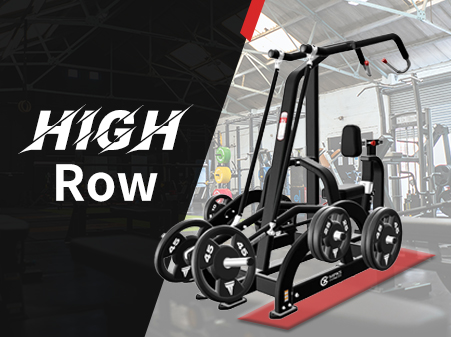
The high row machine is a professional fitness equipment focused on back muscle training. It effectively targets major muscles like the latissimus dorsi and trapezius, while engaging auxiliary groups such as the biceps and core for comprehensive upper-body development. Suitable for both fitness beginners and advanced users, it helps shape a V-shaped back, correct poor posture like rounded shoulders, and enhance overall upper-body strength safely.
The high row machine stands out as a staple in strength training, celebrated for its ability to target multiple upper-body muscle groups while promoting functional strength and balanced development. Unlike isolated exercises, this compound movement engages primary, secondary, and stabilizing muscles, making it a versatile choice for athletes, fitness enthusiasts, and anyone aiming to enhance back strength and posture. Let’s break down the key muscles involved and why this machine deserves a spot in your workout routine.
Primary Target Muscles: The Back’s Powerhouse
At the core of the high row machine’s effectiveness are its primary target muscles, focused on the upper and mid-back regions.
- Latissimus Dorsi (Lats): These large, fan-shaped muscles span the width of the back and are the primary drivers of the pulling motion. As you draw the handles toward your chest, the lats contract to pull your arms toward your torso, building width and thickness in the back.
- Rhomboids: Located between the shoulder blades, the rhomboids are critical for retracting and squeezing the shoulder blades together. This contraction is emphasized at the top of the movement, strengthening the muscles that improve posture by counteracting rounded shoulders.
- Trapezius (Middle and Lower Fibers): The trapezius muscle, often referred to as the “traps,” is activated in its middle and lower sections. These fibers assist in stabilizing the shoulder girdle and enhancing upper-back thickness, supporting movements like pulling and lifting.
Secondary Muscles: Supporting Strength and Stability
Beyond the primary back muscles, the high row machine engages several secondary muscle groups that aid in the movement and build overall upper-body strength.
- Posterior Deltoids (Rear Shoulders): The back of the shoulders works to stabilize the shoulder joint during the pulling motion. This activation is key for balancing front shoulder development, reducing the risk of muscle imbalances common in desk-bound lifestyles.
- Biceps Brachii: The biceps act as secondary pullers, flexing the elbows to draw the handles closer. This engagement adds arm strength to the exercise, making it a dual-purpose move for back and bicep development.
- Teres Major and Minor: These small but crucial muscles connect the scapula to the upper arm, assisting the lats in pulling movements and enhancing shoulder stability.
Stabilizing Muscles: The Unsung Heroes
To maintain proper form and balance throughout the exercise, the high row machine relies on a network of stabilizing muscles that support the torso and limbs.
- Core Muscles: The rectus abdominis, obliques, and transverse abdominis tighten to stabilize the torso, preventing excessive twisting or arching of the lower back.
- Forearms and Grip Muscles: The fixed or adjustable handles require sustained grip strength, engaging the forearms and improving overall grip endurance— a valuable asset for other lifting exercises and daily activities.
- Gluteus Maximus: The glutes activate to keep the hips anchored and the body stable, especially during unilateral (single-arm) variations of the high row.
Why the High Row Machine Stands Out
What sets the high row machine apart from free-weight rows or lat pulldowns is its unique movement path and design benefits.
- Continuous Tension: Unlike dumbbells or barbells, the machine’s resistance system maintains constant tension on the muscles throughout the movement, maximizing muscle activation and growth.
- Balanced Development: Iso-lateral designs (allowing independent arm movement) ensure each side of the back works equally, correcting strength imbalances that can lead to injury.
- Low Injury Risk: The machine’s padded supports and guided motion reduce strain on the lower back and shoulders, making it safe for beginners and advanced lifters alike.
- Posture Improvement: By strengthening the muscles that support the spine and shoulder girdle, regular high row workouts help reduce hunching and improve overall posture.
Proper Form for Maximum Muscle Engagement
To ensure you’re targeting the right muscles and avoiding injury, follow these key form tips:
- Adjust the seat height so your arms reach the handles comfortably, with a slight bend in the elbows at the starting position.
- Sit with your back pressed firmly against the pad, feet flat on the floor, and core engaged.
- Grip the handles with an overhand or neutral grip (palms facing each other) and pull the handles toward your upper chest or abdomen.
- Focus on squeezing your shoulder blades together at the top of the movement, avoiding swinging or using momentum.
- Lower the handles slowly and in control, maintaining tension on the muscles without locking your elbows.
Whether you’re training for sports performance, muscle growth, or better posture, the high row machine delivers a comprehensive upper-body workout that targets multiple muscle groups in one efficient movement. Its adaptability to all fitness levels and low injury risk make it a must-have exercise for anyone looking to build a stronger, more balanced back.

